
Short Answer
Overview
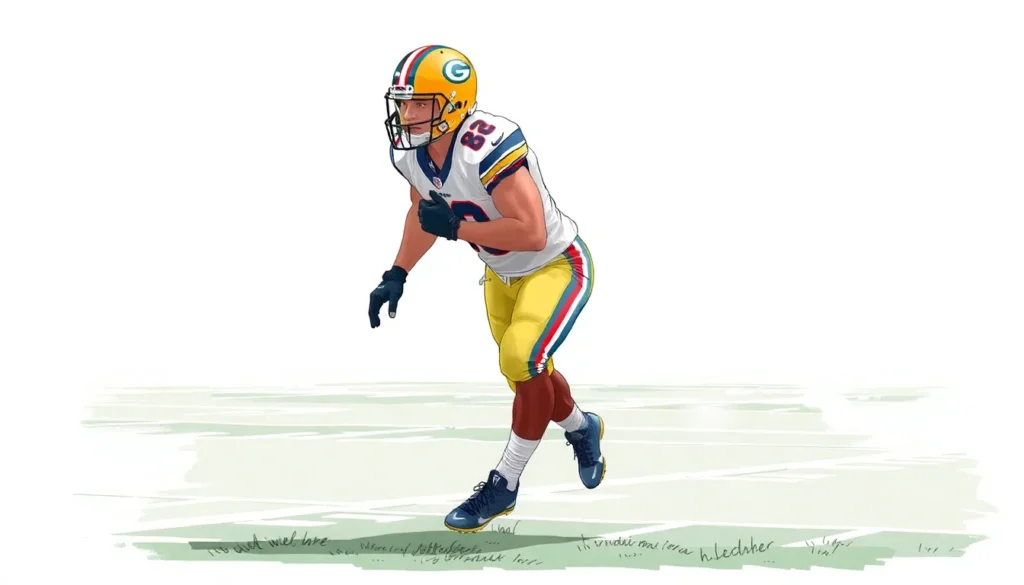
A super safety is a defensive position in American football characterized by its hybrid nature, blending the responsibilities of a traditional safety with those of a linebacker. This role has emerged as a strategic adaptation to modern offensive schemes, which increasingly emphasize versatile passing attacks and dynamic running plays. The super safety typically possesses a unique skill set that allows them to cover receivers and tight ends, support in run defense, and execute blitzes.
Detailed Explanation
The concept of a super safety evolved to address offensive formations and plays that challenge conventional defensive roles. Unlike standard safeties, who primarily focus on deep pass coverage, or linebackers, who concentrate on run stopping and short-to-intermediate coverage, the super safety operates as a hybrid. This position requires players to have speed, agility, and coverage skills akin to a defensive back, combined with the physicality and tackling ability of a linebacker.
Super safeties are often deployed in formations that demand flexibility, such as nickel or dime packages, where defending against multiple receiver sets is essential. Their role may vary depending on the defensive scheme but generally includes covering slot receivers or tight ends, providing run support near the line of scrimmage, and occasionally rushing the passer.
How It Works
In practical terms, a super safety lines up closer to the line of scrimmage than a typical safety, often in a position similar to a linebacker but with coverage responsibilities. This positioning allows them to respond quickly to both passing and running plays. When facing a pass, the super safety may cover receivers in man-to-man or zone schemes, using their speed and agility to keep up with agile offensive players.
Against the run, the super safety acts as an additional tackler, filling gaps and supporting linebackers. Their ability to read offensive plays and react swiftly is crucial for minimizing gains on rushing attempts. Additionally, super safeties are sometimes tasked with blitzing the quarterback, adding an element of unpredictability to the defense.
Examples
- Jamal Adams: Known for his physical style and versatility, Adams has been recognized as a prototypical super safety in the NFL, excelling in coverage, run support, and quarterback pressure.
- Derwin James: Another notable example, James combines athleticism with size, allowing him to cover receivers and contribute significantly to run defense.
- Rodney Harrison: In earlier NFL eras, Harrison exemplified many traits of a super safety, effectively balancing coverage duties with aggressive tackling.
Pros and Cons
Pros:
- Provides defensive flexibility by combining coverage and run support.
- Can disrupt offensive plays through blitzing and versatile positioning.
- Enhances defense against modern, pass-heavy offenses.
Cons:
- Requires rare athleticism and skill set, limiting player availability.
- May create vulnerabilities if not executed properly, especially in deep coverage.
- Can be exploited by offenses targeting mismatches against the super safety.
Comparison Table
| Aspect | Super Safety | Traditional Safety |
|---|---|---|
| Meaning | Hybrid defensive role blending safety and linebacker duties | Defensive back primarily focused on pass coverage and deep field protection |
| Primary Responsibilities | Pass coverage, run support, occasional blitzing | Deep pass coverage, last line of defense |
| Physical Requirements | Combination of speed, agility, and tackling ability | Speed and coverage skills with moderate tackling |
| Typical Positioning | Closer to line of scrimmage, near linebackers | Deeper in secondary |
Decision Checklist
- Use this if: You need a versatile defensive player who can perform multiple roles against modern offensive formations.
- Avoid this if: Your defensive scheme relies on strict positional roles or lacks players with hybrid skill sets.
- Check this first: The specific offensive threats you face and whether a super safety can effectively counter them.
What is the easiest way to understand a Super Safety?
The easiest way to understand a super safety is to think of it as a defensive player who combines the cover skills of a safety with the physicality and run-stopping ability of a linebacker, enabling the defense to adapt fluidly to various offensive strategies.
FAQ
What differentiates a super safety from a traditional safety?
A super safety combines the coverage duties of a traditional safety with the physical run support and blitzing capabilities of a linebacker, making it a more versatile defensive role.
Why has the super safety position become more common?
The rise of pass-heavy offensive strategies in football has necessitated more versatile defensive players who can adapt to various offensive threats, leading to the increased use of super safeties.
Can any safety become a super safety?
Not all safeties have the requisite size, speed, and tackling ability to perform the hybrid role effectively; it requires a unique skill set combining multiple defensive capabilities.






Leave a Reply