
Short Answer
Overview
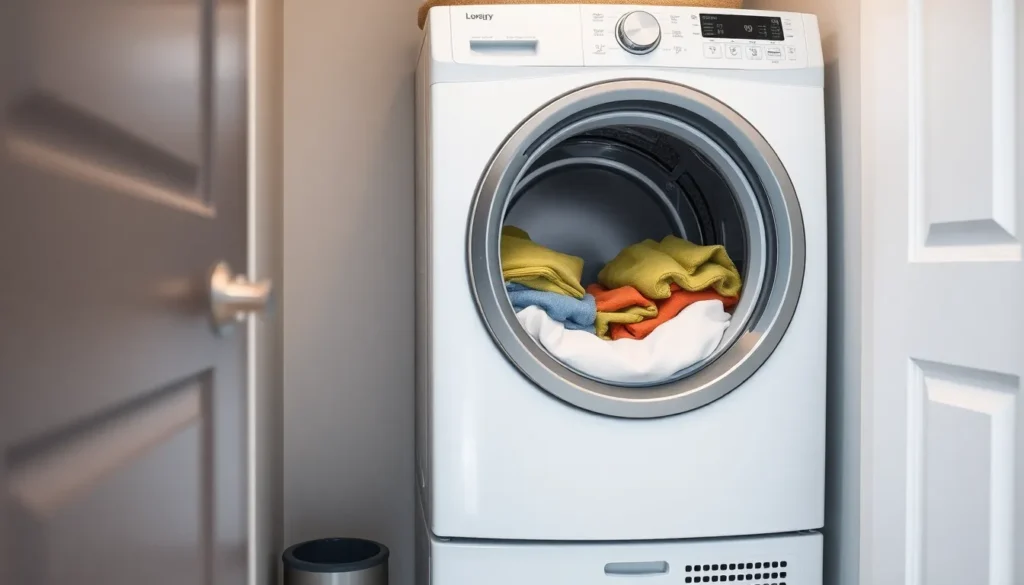
A ventless dryer is a clothes drying appliance designed to operate without the need for an external vent or duct to expel moist air outside a building. Unlike conventional vented dryers that release hot, humid air through a vent, ventless dryers manage moisture internally, making them suitable for homes or apartments where installing a vent is impractical or impossible. These dryers offer flexibility in placement and are often more energy-efficient than traditional dryers.
Detailed Explanation
Ventless dryers use alternative methods to remove moisture from clothes, typically employing either condensation drying or heat pump technology. Condensation dryers work by heating the air inside the drum and then cooling it to condense the moisture from clothes into water, which is collected in a reservoir or drained away. Heat pump dryers utilize a closed-loop system where heat is recycled, providing efficient drying at lower temperatures.
How It Works
In a ventless dryer, the drying process begins with the heating of air inside the drum, which absorbs moisture from the wet clothes. Instead of venting this humid air outside, the air passes through a heat exchanger or condenser where the moisture condenses into liquid water. This water is either collected in a tank that requires manual emptying or drained through plumbing. The now dry, cooled air is reheated and circulated back into the drum to continue drying. Heat pump models enhance this process by recovering heat from the exhaust air and reusing it, which improves energy efficiency and reduces drying temperatures.
Examples
- Condensation Dryers: These dryers heat air that passes through the clothes, then cool it to condense moisture. They generally have a water collection tank needing manual emptying.
- Heat Pump Dryers: More energy-efficient models that recycle heat during the drying cycle. They operate at lower temperatures, reducing fabric wear.
- Combination Washer-Dryer Units: Some ventless models combine washing and drying functions in a single appliance, commonly used in small living spaces.
Pros and Cons
- Pros: Suitable for homes without external venting, energy-efficient (especially heat pump models), flexible installation options, less lint expelled into the environment, gentler on clothes due to lower drying temperatures.
- Cons: Typically longer drying times than vented dryers, higher initial purchase cost (especially for heat pump dryers), need to empty water reservoirs unless plumbed in, may produce more heat and humidity in the room during operation.
Comparison Table
| Aspect | Ventless Dryer | Vented Dryer |
|---|---|---|
| Meaning | Dries clothes without an external vent by condensing moisture internally. | Dries clothes by expelling moist air outside through a vent. |
| Installation | Flexible; no external vent required, can be placed in confined spaces. | Requires external venting; placement limited to vent access. |
| Energy Efficiency | Generally higher, especially heat pump models. | Typically less efficient due to heat loss through venting. |
| Drying Time | Usually longer drying cycles. | Typically faster drying cycles. |
| Maintenance | Requires emptying water tanks or plumbing for drainage. | Requires vent cleaning to prevent lint buildup. |
Decision Checklist
- Use this if you have limited space or cannot install an external vent, seek energy efficiency, or want a dryer with flexible placement.
- Avoid this if you prioritize faster drying times, have access to venting, or want a lower upfront cost dryer.
- Check this first your living space’s ventilation options and plumbing availability for water drainage.
What is the easiest way to understand Ventless Dryer?
A ventless dryer is best understood as a dryer that removes moisture from clothes by condensing the water vapor into liquid inside the machine itself, rather than blowing it outside through a vent. This internal moisture management allows the appliance to work without needing an external exhaust, making it ideal for spaces where traditional dryer vents are not feasible.
FAQ
Do ventless dryers require a water hookup?
Not all ventless dryers require a water hookup. Condensation dryers typically collect water in a tank that needs manual emptying, while some models can be connected to a drain. Heat pump dryers often also have a tank or drain option but do not use water to operate.
Are ventless dryers more energy efficient than vented dryers?
Heat pump ventless dryers are generally more energy efficient than traditional vented dryers because they recycle heat during the drying process. However, condensation ventless dryers may consume similar or slightly more energy than vented dryers.
Can ventless dryers be used in small apartments?
Yes, ventless dryers are ideal for small apartments or spaces where installing an external vent is not possible, as they do not require venting outside and can be installed almost anywhere with access to power and possibly a drain.



Leave a Reply