
Short Answer
Overview
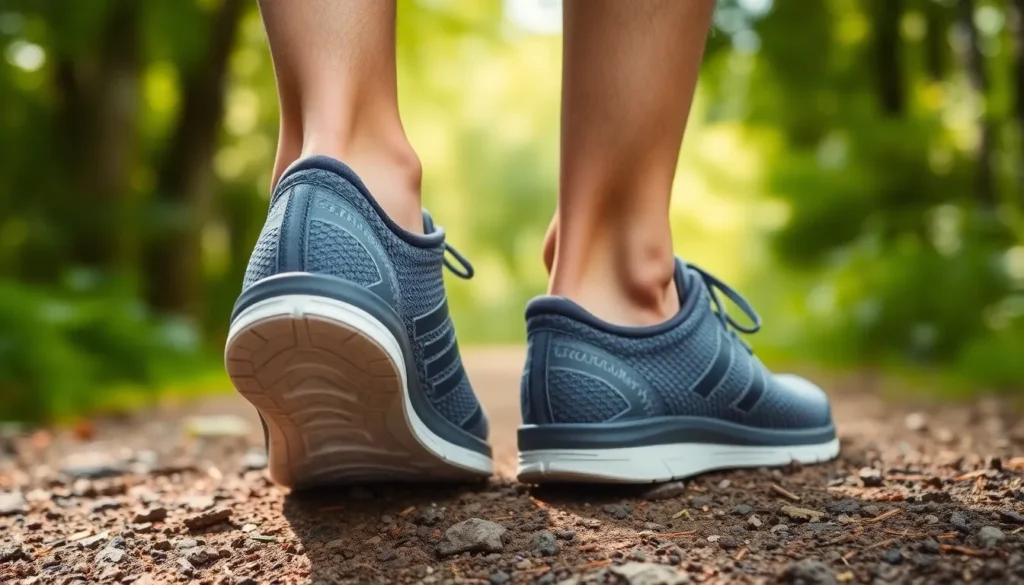
A zero drop shoe is a type of footwear characterized by having an equal sole thickness at both the heel and the toe, resulting in no height difference or “drop” between these two points. This contrasts with traditional shoes, which typically have a raised heel relative to the forefoot. The design aims to promote a more natural foot position and gait, often aligning with principles found in barefoot or minimalist running philosophies.
Detailed Explanation
The term “drop” in footwear refers to the height difference between the heel and the forefoot of a shoe’s sole, measured in millimeters. Most conventional athletic shoes have a heel-to-toe drop ranging from 8 to 12 millimeters, which can affect posture and running mechanics. Zero drop shoes maintain a flat sole profile, meaning the heel and forefoot are at the same level.
This design mimics barefoot conditions and is intended to encourage a more natural foot strike, typically landing closer to the midfoot or forefoot rather than the heel. Zero drop shoes often also feature flexible soles and minimal cushioning to enhance ground feel and foot mobility.
How It Works
By eliminating the elevated heel, zero drop shoes change the biomechanics of walking and running. Without the heel lift, wearers are encouraged to adopt a running or walking style that reduces impact forces on the heel, which may help in lowering injury risks associated with heel striking. The flatter sole also promotes better alignment of the ankle, knees, and hips, potentially improving posture and balance.
Transitioning to zero drop shoes usually requires an adaptation period, as the calf muscles and Achilles tendon engage differently compared to wearing shoes with a heel lift. Gradual introduction and proper technique are recommended to avoid strain.
Examples
- Altra Running Shoes: Known for their consistent zero drop platform and wide toe boxes.
- Vivobarefoot: Offers zero drop shoes with minimalist designs emphasizing barefoot-like experience.
- Merrell Trail Glove: A minimalist zero drop shoe designed for trail running.
Why It Matters
Zero drop shoes are significant in the context of natural movement and injury prevention. By promoting a foot position closer to barefoot conditions, they can encourage better biomechanics and potentially reduce common running injuries linked to heel striking and excessive cushioning. They also contribute to increased foot strength and proprioception.
Common Misconceptions
Misconception: Zero drop shoes are suitable for everyone immediately.
Correction: Transitioning to zero drop shoes should be gradual to allow the body to adapt and avoid injury.
Misconception: Zero drop shoes provide no cushioning or support.
Correction: While many zero drop shoes are minimalist, some models offer significant cushioning and support while maintaining a flat sole.
Pros and Cons
Pros: Enhances natural foot positioning, may reduce heel striking injuries, improves foot strength, encourages better posture and balance.
Cons: Requires adaptation period, may cause calf or Achilles strain if transitioned too quickly, not suitable for all foot types or running styles.
Comparison Table
| Aspect | Zero Drop Shoe | Traditional Running Shoe |
|---|---|---|
| Meaning | Shoe with equal sole height at heel and toe | Shoe with elevated heel compared to toe, usually 8-12 mm drop |
| Foot Position | Natural, flat foot placement | Heel elevated, promoting heel strike |
| Cushioning | Varies from minimal to moderate | Typically moderate to high cushioning |
| Adaptation | Requires gradual transition | Generally comfortable immediately |
| Intended Benefit | Promote natural gait and foot strength | Shock absorption, comfort |
Decision Checklist
What is the easiest way to understand Zero Drop Shoes?
The easiest way to understand zero drop shoes is to think of them as footwear that keeps your foot flat to the ground, without the usual heel elevation found in most shoes. This design aims to mimic barefoot walking and running, encouraging a more natural foot strike and posture.
FAQ
What does zero drop shoe mean?
A zero drop shoe means the sole has the same thickness at the heel and toe, resulting in no height difference or 'drop' between these points.
Are zero drop shoes better for running?
Zero drop shoes can promote a more natural running gait and reduce heel striking, but effectiveness varies by individual and requires proper transition.
How do I transition to zero drop shoes safely?
Transition gradually by increasing wear time slowly to allow muscles and tendons to adapt, and consider consulting a professional for personalized guidance.





Leave a Reply