
Short Answer
Overview
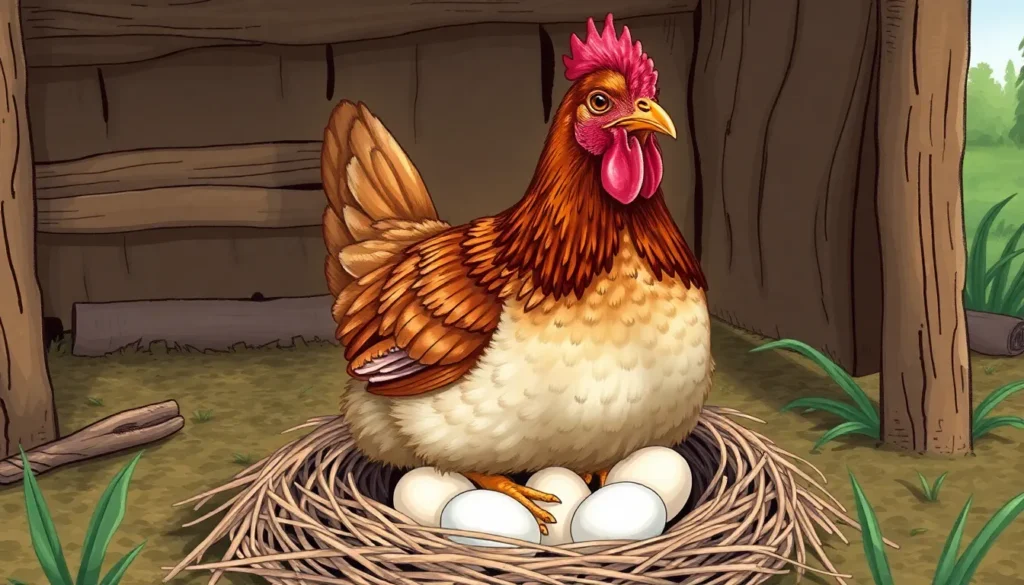
A broody chicken refers to a hen that has entered a natural reproductive state characterized by a strong instinct to sit on and incubate eggs until they hatch. This behavior involves physiological and hormonal changes that cause the hen to stop laying eggs and commit to keeping the eggs warm and protected. Broodiness is common in many traditional breeds of chickens but is less prevalent in commercial laying breeds due to selective breeding.
Detailed Explanation
Broodiness is a maternal behavior exhibited primarily by female chickens, although it can occur in other bird species. When a hen becomes broody, she typically remains on a clutch of eggs for extended periods, rarely leaving the nest except briefly to eat, drink, or defecate. This behavior helps maintain the eggs at an optimal temperature and humidity for embryonic development. Physiologically, broodiness is associated with increased levels of the hormone prolactin, which influences the hen’s nesting behavior and cessation of egg production.
Not all chicken breeds have the same tendency to go broody; some breeds have been selectively bred to reduce or eliminate this behavior to maximize egg production. As a result, broody hens are more common among heritage or dual-purpose breeds.
How It Works
Broodiness is triggered by a combination of environmental factors, hormonal changes, and the presence of eggs in the nest. When a hen lays a clutch of eggs, she may begin to sit on them consistently, which stimulates hormonal changes that reinforce the behavior. The hen’s body temperature rises slightly to provide warmth, and she adopts protective behaviors to guard the nest against potential threats.
During this period, the hen’s reproductive cycle pauses, and she stops laying new eggs. She may also exhibit physical signs such as plucking feathers from her breast to create a bare patch that helps transfer heat more effectively to the eggs. The broody period generally lasts around 21 days, which is the incubation period for chicken eggs, after which the chicks hatch.
Examples
- Rhode Island Red: A classic breed known for its occasional broodiness and good mothering skills.
- Silkie: A breed renowned for strong broody instincts and often used to hatch eggs from other breeds due to their calm nature.
- Orpington: Another breed frequently noted for broodiness, often used by backyard poultry keepers to naturally hatch chicks.
Pros and Cons
Pros:
- Allows natural hatching and rearing of chicks without artificial incubators.
- Broody hens provide warmth, protection, and teaching to chicks, increasing survival rates.
- Supports preservation of traditional breeds that retain broody behavior.
Cons:
- Broodiness halts egg production, reducing the number of eggs available for consumption.
- Broody hens may become aggressive or less active, impacting flock dynamics.
- Managing broody hens can require additional care to ensure health and prevent egg damage.
Comparison Table
| Aspect | Broody Chicken | Non-Broody Chicken |
|---|---|---|
| Meaning | A hen exhibiting incubation behavior to hatch eggs | A hen that does not display incubation behavior and continues regular egg laying |
| Egg Production | Pauses during broodiness | Continuous egg laying |
| Behavior | Protective, nesting, less active | Active, foraging, less protective |
| Use | Natural hatching and chick rearing | Commercial egg production |
Decision Checklist
- Use this if… you want to hatch eggs naturally and raise chicks without artificial incubation.
- Avoid this if… your priority is maximum egg production with minimal interruption.
- Check this first… your chicken breed’s tendency to go broody and your capacity to care for broody hens and chicks.
What is the easiest way to understand a Broody Chicken?
Think of a broody chicken as a mother hen who decides to take a break from laying eggs to sit on her eggs constantly, keeping them warm and safe until baby chicks hatch. This natural behavior is driven by hormonal changes and ensures the survival of the offspring through careful incubation and protection.
FAQ
What causes a chicken to go broody?
Broodiness is caused by hormonal changes, particularly increased prolactin, triggered by environmental stimuli and the presence of eggs in the nest.
Do all chicken breeds go broody?
No. Broodiness is more common in heritage and dual-purpose breeds, while many commercial laying breeds have been selectively bred to reduce or eliminate this behavior.
How long does broodiness last?
Typically, broodiness lasts about 21 days, corresponding to the incubation period for chicken eggs, but it can vary depending on the hen and conditions.



Leave a Reply