
Short Answer
Overview
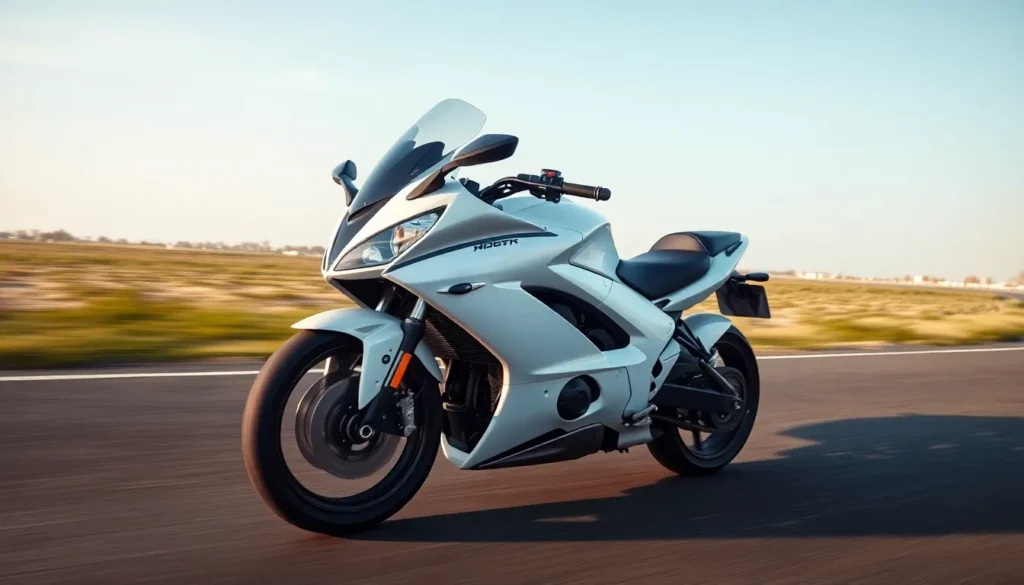
A fairing motorcycle is characterized by the presence of a fairing, which is a shell or covering placed on the frame of the motorcycle. The primary purpose of the fairing is to reduce aerodynamic drag, enhance rider protection against wind and weather, and sometimes improve fuel efficiency. Fairings can vary in size and design, ranging from small front covers to full-body enclosures. These motorcycles are commonly used in sport, touring, and racing applications.
Detailed Explanation
Fairings were initially introduced to motorcycle design to address the aerodynamic challenges faced at higher speeds. The smooth contours and streamlined shapes of these fairings help channel airflow around the motorcycle and rider, minimizing turbulence and drag. This can result in increased top speeds, better fuel economy, and reduced rider fatigue by providing wind protection. There are several types of fairings, including full fairings, half fairings, quarter fairings, and bikini fairings, each covering different portions of the motorcycle.
How It Works
The fairing works by altering the airflow around the motorcycle and rider. By creating a streamlined profile, the fairing reduces the aerodynamic resistance that the motorcycle encounters. This is achieved through the design of the fairing’s shape, which directs air smoothly over the bike’s surfaces. Additionally, fairings can protect critical mechanical components from debris and weather elements. In some cases, integrated windshields in the fairings also help to deflect wind away from the rider’s face and upper body, improving comfort and visibility.
Examples
- Sport Bikes: Motorcycles like the Yamaha YZF-R1 or Suzuki GSX-R series often feature full fairings designed for maximum aerodynamic efficiency and high-speed stability.
- Touring Bikes: Models such as the Honda Gold Wing incorporate large, comprehensive fairings to provide extensive wind and weather protection during long-distance rides.
- Retro or Custom Bikes: Some custom or vintage motorcycles use half or quarter fairings to balance aesthetics with moderate aerodynamic benefits.
Why It Matters
Fairings are significant in motorcycle design because they directly influence performance, safety, and comfort. By reducing wind resistance, fairings enable motorcycles to achieve higher speeds with less engine effort, which can improve fuel efficiency. Additionally, fairings protect riders from wind chill and weather, reducing fatigue and increasing riding enjoyment. For racing motorcycles, aerodynamic fairings are crucial for competitive performance.
Common Misconceptions
Misconception: Fairings are only for aesthetic purposes.
Correction: While fairings do contribute to the motorcycle’s appearance, their primary function is aerodynamic efficiency and rider protection.
Misconception: All motorcycles should have full fairings.
Correction: The need for a fairing depends on the motorcycle’s intended use; naked bikes and cruisers often omit fairings for style and practicality.
Pros and Cons
Pros:
- Improved aerodynamics and higher top speeds.
- Enhanced rider protection from wind and weather.
- Potentially better fuel efficiency due to reduced drag.
- Protection of mechanical components from debris.
Cons:
- Increased weight compared to naked motorcycles.
- Potentially higher repair costs if damaged.
- May reduce maneuverability in certain low-speed or off-road situations.
- Some riders may prefer the aesthetics of a motorcycle without a fairing.
Comparison Table
| Aspect | Fairing Motorcycle | Alternative/Related Topic (Naked Motorcycle) |
|---|---|---|
| Meaning | Motorcycle equipped with aerodynamic bodywork covering part or all of the frame. | Motorcycle without fairings, exposing the frame and mechanical components. |
| Aerodynamics | Enhanced due to streamlined design. | Lower, resulting in higher air resistance. |
| Rider Protection | Provides wind and weather protection. | Minimal to none; rider exposed. |
| Weight | Generally heavier due to additional bodywork. | Lighter, fewer components. |
| Maintenance | Potentially more costly if fairing damaged. | Often easier and cheaper due to exposed components. |
Decision Checklist
What is the easiest way to understand a Fairing Motorcycle?
The easiest way to understand a fairing motorcycle is to view it as a motorcycle designed with additional body panels that reduce air drag and protect the rider, often seen on sport and touring bikes where speed and comfort are critical.
FAQ
What is the main function of a motorcycle fairing?
The primary function of a motorcycle fairing is to improve aerodynamics by reducing air drag and to provide wind and weather protection to the rider.
Are fairings necessary for all motorcycles?
No, fairings are not necessary for all motorcycles. Their use depends on the motorcycle’s intended purpose, such as high-speed sport riding or long-distance touring, where aerodynamic efficiency and rider comfort are prioritized.
Do fairings affect motorcycle handling?
Fairings can influence handling by adding weight and altering airflow around the motorcycle, which may affect stability and maneuverability, particularly at high speeds or during crosswinds.





Leave a Reply