
Short Answer
Overview
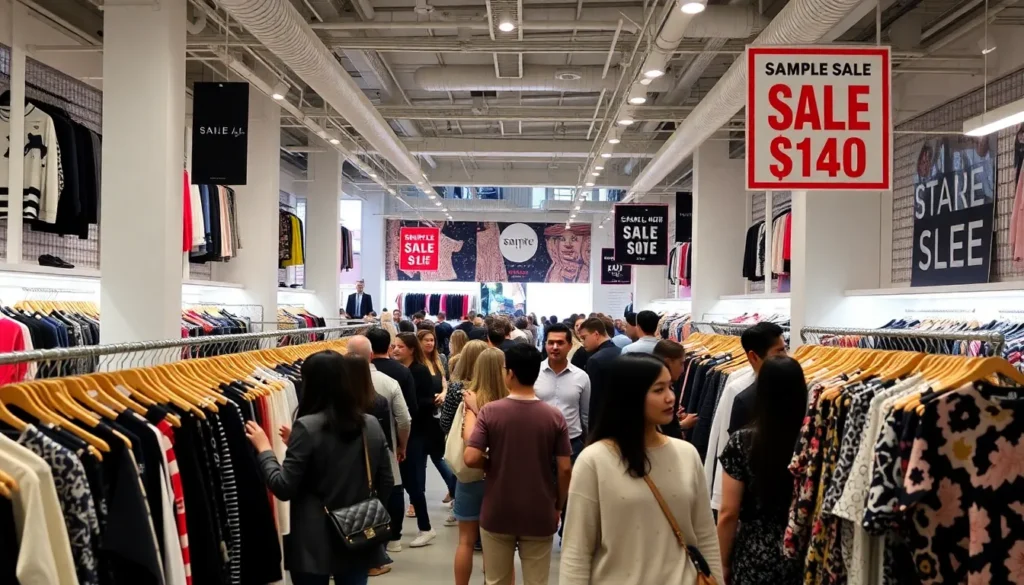
A sample sale is a type of sales event typically organized by manufacturers, designers, or retailers to sell sample products, prototypes, or overstock inventory directly to consumers at prices significantly lower than usual retail prices. These sales often occur in physical locations such as showrooms or warehouses, but may also take place online. Sample sales provide an opportunity for customers to purchase unique, limited-edition, or otherwise hard-to-find items that were originally used for display, fitting, or promotional purposes.
Detailed Explanation
Sample sales originated in the fashion and apparel industries, where designers produce sample garments or products for presentations, photo shoots, or fashion shows. After these samples have served their primary purpose, they are often sold off at a discount to clear inventory and recover some costs. Over time, the concept has expanded to other industries such as home goods, cosmetics, and accessories.
These sales typically feature substantial discounts ranging from 30% to 90% off the regular retail price. However, items sold at sample sales may have limited sizes, minor imperfections, or be one-of-a-kind pieces. Because sample sales are usually limited in duration and quantity, they are often considered exclusive events that attract bargain hunters and brand enthusiasts alike.
How It Works
Sample sales usually begin with an announcement from the brand or retailer, specifying the dates, location, and types of products available. In many cases, customers may need to register or join a mailing list to gain early access or entry.
At the event, products are displayed for customers to browse and purchase. Since the merchandise often consists of samples, prototypes, or excess inventory, the selection can be unpredictable and may include discontinued models or one-off items. Payment is typically made on-site or online, depending on the sale format.
Because sample sales are intended to clear out inventory quickly, they may have strict return policies or be final sale, meaning customers cannot return or exchange items purchased.
Examples
- Fashion Industry: A designer holds a sample sale at their studio to sell runway samples and prototypes at discounted prices to the public.
- Cosmetics Brands: A makeup company offers discontinued or promotional packaging products at a sample sale event to clear inventory.
- Home Goods Retailer: A furniture brand sells showroom display pieces and overstock items at a sample sale with significant markdowns.
Pros and Cons
- Pros:
- Opportunity to purchase high-quality or designer products at significantly reduced prices.
- Access to unique or limited-edition items not available through regular retail channels.
- Helps brands clear excess inventory and reduce waste.
- Cons:
- Limited selection and sizing, often with no guarantee of availability.
- Items may have minor defects or be used as display samples.
- Typically no returns or exchanges allowed, increasing risk for buyers.
- Events can be crowded or require advance registration, limiting accessibility.
Comparison Table
| Aspect | Sample Sale | Regular Retail Sale |
|---|---|---|
| Meaning | Event selling sample, prototype, or overstock items at discounted prices | Sale of standard retail inventory, often seasonal or promotional discounts |
| Product Selection | Limited, often unique or one-off items | Wide selection of current stock and sizes |
| Pricing | Significantly reduced, often 30-90% off | Moderate discounts, varies by promotion |
| Return Policy | Usually final sale; no returns or exchanges | Standard return and exchange policies apply |
| Availability | Limited time and quantity | Ongoing, based on inventory |
Decision Checklist
- Use this if: You want to buy designer or branded items at a significant discount and are willing to accept limited selection and final sale conditions.
- Avoid this if: You require full sizing options, guaranteed product condition, or flexible return policies.
- Check this first: Understand the sale terms, product condition, and return policy before purchasing.
What is the easiest way to understand Sample Sale?
A sample sale is essentially a clearance event where brands sell leftover or prototype products directly to consumers at steep discounts, often with limited availability and no option to return. It offers a chance to buy unique or high-end items at lower prices but requires flexibility regarding selection and conditions.
FAQ
What items are typically sold at a sample sale?
Sample sales usually feature prototypes, display samples, overstock items, and sometimes discontinued products from a brand or manufacturer.
Are sample sale items defective?
Not necessarily. While some items may have minor imperfections due to their use as samples, many are in good condition but may be one-of-a-kind or have limited sizes.
Can you return items bought at a sample sale?
Most sample sales have a strict no-return or final sale policy, so customers should be aware before purchasing.




Leave a Reply