
Short Answer
Overview
A wedding rehearsal is a scheduled practice session that takes place shortly before the actual wedding ceremony. Its primary purpose is to familiarize the wedding party, including the bride and groom, bridesmaids, groomsmen, officiant, and other key participants, with the sequence and logistics of the upcoming event. This preparatory run-through aims to reduce confusion, coordinate timing, and address any potential issues related to the ceremony’s flow.
Detailed Explanation
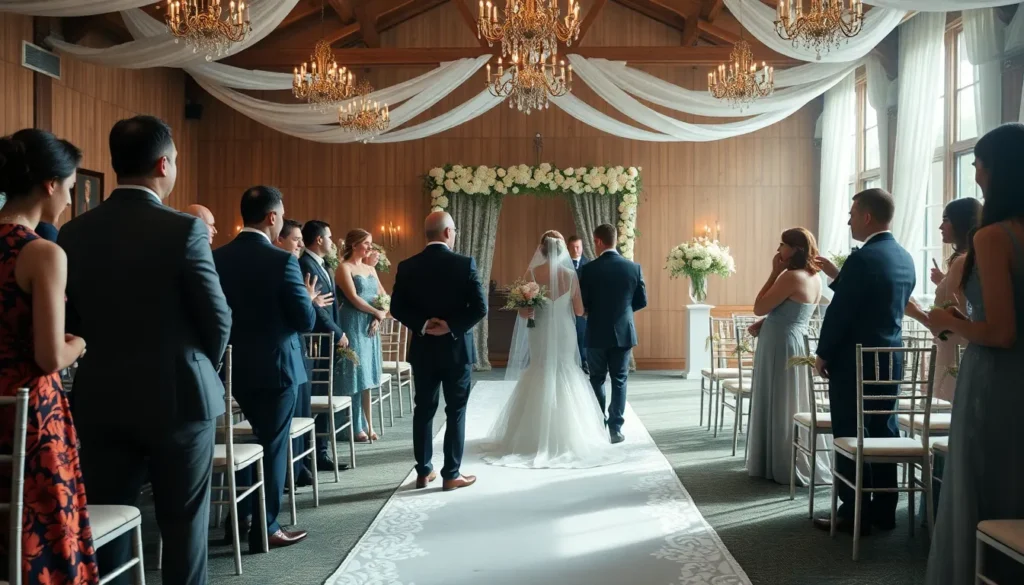
During a wedding rehearsal, participants typically walk through the entire ceremony, including the processional, vows, ring exchange, and recessional. This allows everyone involved to understand their roles, positioning, and timing. The rehearsal often helps clarify specific instructions provided by the officiant or wedding planner and ensures that all participants are comfortable with their responsibilities. It also provides an opportunity to test audio equipment, seating arrangements, and any special rituals planned for the ceremony.
How It Works
The rehearsal is usually held one or two days before the wedding day, often at the ceremony venue. It is coordinated by the wedding planner, officiant, or a designated rehearsal coordinator. The session involves:
- Gathering all members of the wedding party and any other essential participants.
- Reviewing the order of events, including entrances, exits, and any special moments.
- Practicing movements such as walking down the aisle, standing positions, and timing cues.
- Addressing logistical details such as seating, music cues, and timing.
- Allowing participants to ask questions and clarify uncertainties.
Examples
- Traditional Wedding Rehearsal: The entire wedding party walks through the ceremony steps at the venue, practicing entrances, positioning at the altar, and the order of vows.
- Rehearsal Dinner Inclusion: Often, the rehearsal is followed by a rehearsal dinner, where close family and friends gather to celebrate informally before the wedding day.
- Virtual Wedding Rehearsal: In cases where participants cannot gather in person, a virtual rehearsal via video call may be conducted to review ceremony details.
Why It Matters
A wedding rehearsal is important because it helps minimize stress and confusion on the wedding day by ensuring that all participants understand their roles and the ceremony’s sequence. It promotes coordination and confidence, reducing the likelihood of delays or errors during the event. Additionally, it offers an opportunity for the couple and their support network to connect and prepare emotionally for the upcoming ceremony.
Common Misconceptions
Misconception: A wedding rehearsal is only necessary for large or formal weddings.
Correction: Regardless of the wedding size or style, rehearsals can benefit any ceremony by improving coordination and reducing anxiety.
Misconception: The rehearsal replaces the need for the wedding party to be punctual or prepared on the wedding day.
Correction: While helpful, rehearsals do not eliminate the need for participants to be timely and attentive on the actual day.
Pros and Cons
Comparison Table
| Aspect | Wedding Rehearsal | Wedding Ceremony |
|---|---|---|
| Meaning | A preparatory event to practice and coordinate the ceremony. | The formal event where the marriage is solemnized. |
| Timing | Usually 1-2 days before the ceremony. | The scheduled wedding day. |
| Participants | Wedding party, officiant, sometimes family. | All invited guests, couple, officiant. |
| Purpose | Practice and coordination. | Official marriage and celebration. |
Decision Checklist
- Use this if: You want to ensure a smooth and well-coordinated wedding ceremony with clear role understanding.
- Avoid this if: Your wedding is very informal, small, and all participants are familiar with their roles.
- Check this first: Availability of key participants and the venue for the rehearsal time.
What is the easiest way to understand a Wedding Rehearsal?
Think of a wedding rehearsal as a dress rehearsal for a theatrical performance, where all actors and crew practice their parts before the actual show to ensure everything runs flawlessly.
FAQ
Who should attend a wedding rehearsal?
Typically, the wedding couple, bridal party, officiant, and sometimes close family members participate in the rehearsal to practice the ceremony.
Is a wedding rehearsal necessary for small weddings?
While not always required for small or informal weddings, a rehearsal can still help ensure everyone understands their roles and the ceremony proceeds smoothly.
How long does a wedding rehearsal usually last?
The duration varies but generally lasts between 30 minutes to 2 hours, depending on the complexity of the ceremony and number of participants.






Leave a Reply