
Short Answer
Overview
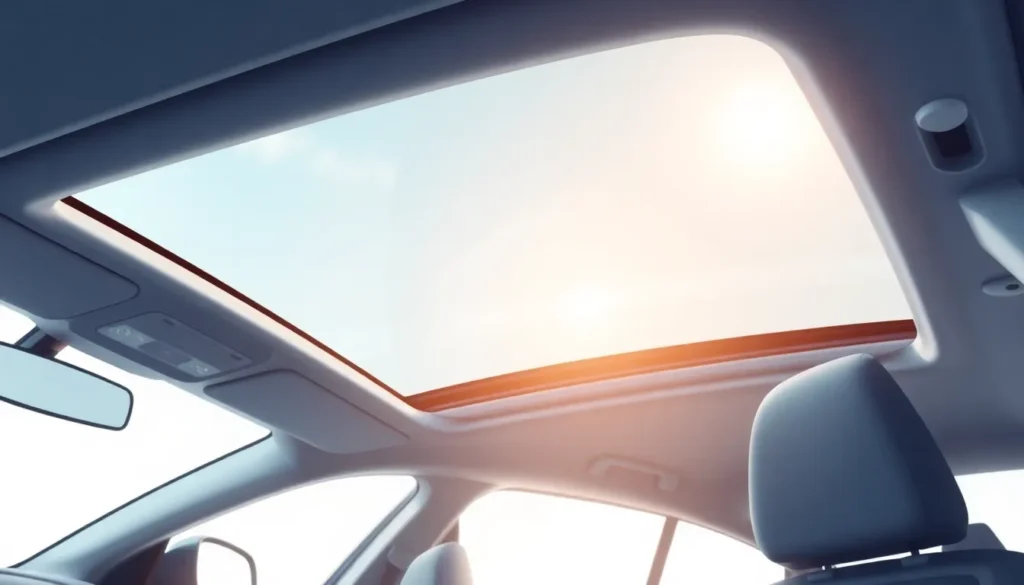
A moon roof is a type of automotive roof panel, usually made of glass, that can be opened or tilted to allow light and fresh air into a vehicle’s interior. Unlike traditional sunroofs, which are often opaque metal panels, moon roofs typically consist of transparent or tinted glass, offering occupants a view of the sky even when closed. They are designed to enhance the driving experience by increasing natural light and ventilation inside the cabin.
Detailed Explanation
The term “moon roof” originated in the automotive industry to describe a fixed or operable glass panel installed in the vehicle roof. It allows passengers to see outside while providing protection from the elements. Moon roofs can be either manual or powered, and they often tilt open or slide back to create an opening. They differ from sunroofs primarily in the material and transparency; sunroofs are generally solid and opaque, while moon roofs are glass and allow light to pass through.
Moon roofs may come equipped with a sliding interior panel or sunshade to block light when desired. Their design contributes to a more spacious and airy feeling inside the vehicle, making them popular features in many modern cars.
How It Works
Moon roofs operate through a mechanical or electrical system that enables the glass panel to slide backward or tilt upward. In manual systems, users physically open or close the panel using a handle. In power-operated systems, buttons or switches activate motors that control the position of the glass panel.
The glass is typically tempered or laminated for safety, and the frame includes seals to prevent water intrusion and reduce wind noise. When closed, the moon roof provides insulation and protection from weather while allowing natural light inside. When opened, it provides ventilation and an open-air experience.
Examples
- Many mid-range and luxury sedans offer moon roofs as standard or optional equipment, such as the Honda Accord or Toyota Camry.
- Some SUVs and crossovers incorporate panoramic moon roofs, which extend over both front and rear seats, providing a larger glass area.
- Electric vehicles like the Tesla Model 3 feature moon roof options that enhance cabin ambiance and natural lighting.
Why It Matters
Moon roofs contribute to passenger comfort and vehicle aesthetics by increasing natural light and ventilation. They improve the overall driving experience by allowing occupants to enjoy views of the sky and fresh air without fully opening windows. Additionally, moon roofs can enhance resale value and market appeal of vehicles equipped with them.
Common Misconceptions
Misconception: A moon roof and a sunroof are the same thing.
Correction: While related, a sunroof traditionally refers to an opaque, solid panel that opens, whereas a moon roof is usually a transparent or tinted glass panel that may remain closed while still allowing light in.
Misconception: Moon roofs always open fully like convertible tops.
Correction: Most moon roofs open partially by sliding or tilting; they do not typically retract completely like convertible roofs.
Pros and Cons
Pros: Enhanced natural light, improved ventilation, aesthetic appeal, increased vehicle value, panoramic viewing options.
Cons: Potential for leaks if seals degrade, increased vehicle weight, possible higher repair costs, may reduce headroom slightly.
Comparison Table
| Aspect | Moon Roof | Sunroof |
|---|---|---|
| Meaning | Glass panel roof that allows light and may open | Opaque or solid panel roof that opens |
| Material | Tempered or laminated glass | Metal or opaque material |
| Transparency | Transparent or tinted | Opaque |
| Operation | Usually slides or tilts open | Slides or tilts open |
| Light Admission | Allows light even when closed | Blocks light when closed |
Decision Checklist
What is the easiest way to understand a Moon Roof?
The easiest way to understand a moon roof is to think of it as a glass panel in a car’s roof that can open to let in air but always lets in light, unlike traditional sunroofs that are solid panels blocking light when closed.
FAQ
Is a moon roof the same as a sunroof?
No, a moon roof is typically a transparent or tinted glass panel that can open or remain closed while allowing light in, whereas a sunroof usually refers to an opaque panel that opens to let in air but blocks light when closed.
Can a moon roof cause leaks?
While moon roofs are designed with seals to prevent water intrusion, over time seals can degrade or become damaged, which may lead to leaks if not properly maintained.
Do moon roofs reduce headroom in vehicles?
Moon roofs can slightly reduce headroom due to the mechanisms and glass panel thickness, but this varies by vehicle model and roof design.



Leave a Reply