
Short Answer
Overview
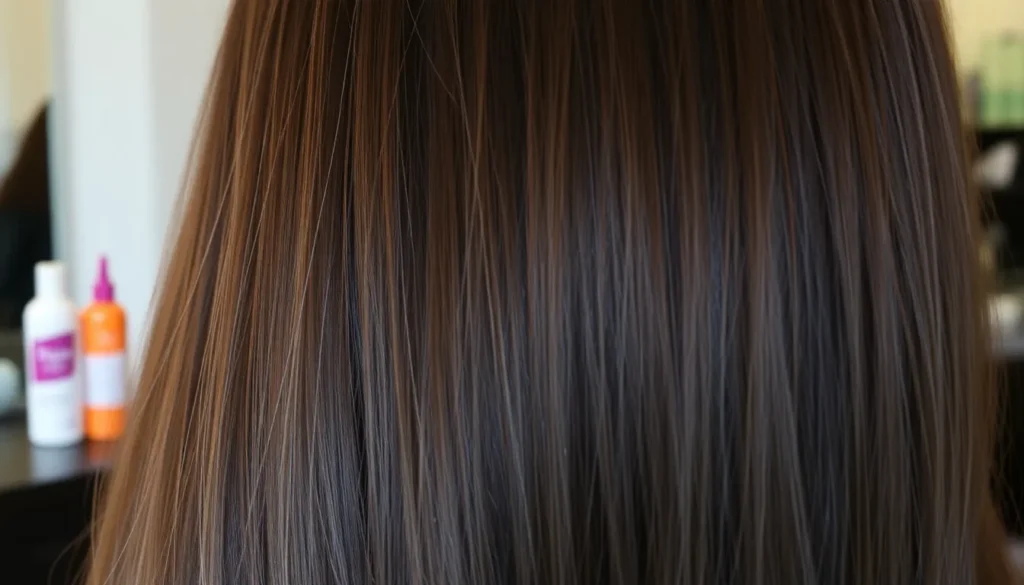
A hair glaze is a semi-permanent cosmetic treatment applied to hair to enhance its shine, add subtle color, and improve texture. Unlike permanent hair dyes, hair glazes do not penetrate deeply into the hair shaft or cause significant chemical changes. Instead, they coat the hair surface with conditioning agents and color pigments, creating a glossy, vibrant appearance. Hair glazes are popular in salons and for at-home use as a way to refresh hair color, boost shine, and improve hair health temporarily.
Detailed Explanation
Hair glazes are typically clear or tinted treatment formulas that combine conditioning ingredients such as silicones, oils, and humectants with color-depositing agents. These treatments can be customized to add warm or cool tones, intensify natural hair color, or neutralize brassiness in lightened hair. Because they do not contain strong chemicals like ammonia or peroxide, glazes are considered gentler than permanent or semi-permanent dyes.
The effects of a hair glaze usually last between 4 to 6 weeks, gradually fading with shampooing. The treatment can be repeated regularly to maintain hair vibrancy and shine. Some hair glazes are designed specifically for color-treated hair to enhance and prolong color longevity, while others focus on adding gloss and smoothness without altering the base color noticeably.
How It Works
When applied, a hair glaze coats the outer cuticle layer of the hair strands, sealing the surface and reflecting light for enhanced shine. The pigments in tinted glazes deposit a thin layer of color on the hair surface without penetrating deeply, allowing for temporary color enhancement or tone correction. Conditioning agents in the glaze help to smooth the hair cuticle, reducing frizz and improving manageability.
The glazing process often involves shampooing the hair first, applying the glaze, allowing it to sit for a brief period (usually 10-30 minutes), and then rinsing it out. The treatment does not open the hair cuticle as permanent dyes do, which helps maintain hair integrity and minimizes damage.
Examples
- Clear Hair Glaze: Adds intense shine and smoothness without altering hair color, suitable for all hair types.
- Tinted Hair Glaze: Deposits subtle color tones such as ash, bronze, or red to enhance natural or dyed hair color.
- Color-Refreshing Glaze: Used to revive faded hair color between dyeing sessions.
- Brassiness-Neutralizing Glaze: Contains cool pigments (e.g., blue or violet) to counteract warm, brassy tones in blonde or highlighted hair.
Why It Matters
Hair glazes offer a low-commitment and less damaging alternative to permanent hair coloring. They provide an easy way to boost shine, improve hair texture, and enhance color subtly without chemical damage. For individuals seeking to maintain healthy hair while still achieving cosmetic improvements, glazes are a valuable option. Additionally, glazes can extend the life of hair color treatments by refreshing tones and reducing dullness, contributing to better hair aesthetics and satisfaction.
Common Misconceptions
Misconception: Hair glazes permanently change hair color.
Correction: Hair glazes are semi-permanent and gradually wash out over several weeks, causing no permanent color change.
Misconception: Hair glazes damage hair like permanent dyes.
Correction: Hair glazes are gentle treatments that do not contain harsh chemicals and generally do not damage hair.
Pros and Cons
Pros:
- Enhances shine and smoothness
- Refreshes or subtly changes hair color
- Gentle and non-damaging
- Temporary and low-commitment
- Can improve hair manageability
Cons:
- Color effects are temporary and fade with washing
- Not suitable for drastic color changes
- Requires regular reapplication to maintain effects
- May not cover gray hair or completely neutralize strong brassiness
Comparison Table
| Aspect | Hair Glaze | Permanent Hair Dye |
|---|---|---|
| Meaning | A semi-permanent treatment that adds shine and subtle color by coating hair surface | A chemical process that penetrates hair to change color permanently |
| Color Longevity | 4-6 weeks, fades gradually | Long-lasting, grows out over time |
| Damage Potential | Low, gentle on hair | Higher, involves chemicals like ammonia and peroxide |
| Color Intensity | Subtle enhancement or tone adjustment | Bold, significant color changes possible |
| Application Frequency | Can be reapplied frequently | Reapplication only after color grows out or fades |
Decision Checklist
What is the easiest way to understand Hair Glaze?
Think of a hair glaze as a semi-transparent coating for your hair that enhances its natural beauty by adding shine and a hint of color without altering the hair’s structure or causing damage. It’s similar to applying a glossy varnish that improves appearance temporarily and washes out over time.
FAQ
How long does a hair glaze last?
A hair glaze typically lasts between 4 to 6 weeks, gradually fading with shampooing and exposure to environmental factors.
Is a hair glaze safe for damaged hair?
Yes, hair glazes are generally safe for damaged or chemically treated hair because they do not contain harsh chemicals that can further damage hair.
Can hair glazes change hair color dramatically?
No, hair glazes only provide subtle color enhancements or tone adjustments and cannot produce dramatic or permanent color changes like permanent hair dyes.


Leave a Reply