
Short Answer
Overview
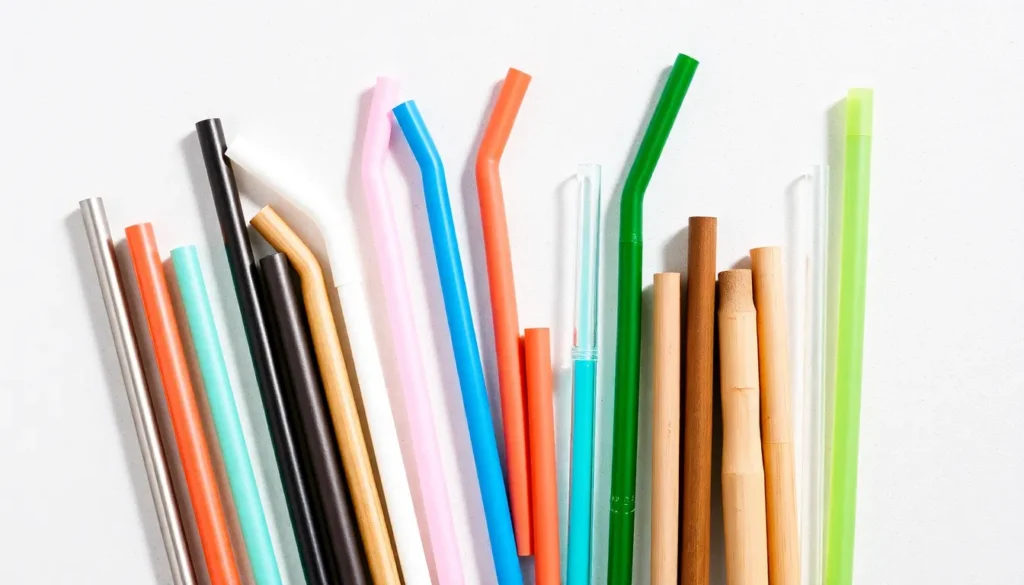
Reusable straws are alternatives to single-use plastic straws intended to reduce environmental waste. They are manufactured from a variety of materials designed to be durable, safe for repeated use, and environmentally friendlier. Common materials include stainless steel, silicone, glass, bamboo, and certain types of plastics. Each material has distinct properties that influence its usability, cleaning methods, and sustainability profile.
Detailed Explanation
Stainless steel is a widely used material for reusable straws due to its durability, resistance to corrosion, and ease of cleaning. These straws are often made from food-grade stainless steel, which is non-reactive and safe for repeated contact with beverages. Silicone straws offer flexibility and softness, making them popular for children or people sensitive to rigid materials. They are usually made from food-grade silicone, which is heat-resistant and dishwasher safe.
Glass straws are typically made from borosilicate glass, known for its heat resistance and strength. They provide a transparent aesthetic and are inert, meaning they do not impart any taste or chemicals to drinks. Bamboo straws are crafted from natural bamboo stalks that are cut, sanded, and treated to prevent mold and increase longevity. Being biodegradable, bamboo straws are considered environmentally friendly, although they require more maintenance to avoid bacterial growth.
Some reusable straws are made from specialized plastics like polypropylene or Tritan, which are BPA-free and designed for repeated use. These plastic straws are lightweight and can be manufactured in various colors and designs but are less durable compared to metal or glass options.
How It Works
Reusable straws function by providing a sustainable alternative to disposable plastic straws. Their materials allow them to be cleaned thoroughly and reused multiple times, reducing plastic waste. Depending on the material, they can be cleaned by hand washing or in a dishwasher. Some reusable straws come with cleaning brushes to facilitate hygiene maintenance. The choice of material affects the straw’s temperature tolerance, flexibility, and interaction with different beverages.
Examples
- Stainless Steel Straw: Rigid, metallic, often accompanied by a cleaning brush and carrying case.
- Silicone Straw: Flexible and soft, suitable for children or those who prefer a softer mouthfeel.
- Glass Straw: Transparent and elegant, often made from heat-resistant borosilicate glass.
- Bamboo Straw: Natural and biodegradable, requiring occasional deep cleaning.
- Plastic Reusable Straw: Lightweight, colorful, and made from BPA-free plastics designed for durability.
Why It Matters
The materials used in reusable straws are significant because they determine the product’s environmental impact, longevity, and safety. Choosing durable, non-toxic, and recyclable or biodegradable materials reduces the consumption of single-use plastics and limits pollution. Understanding the materials helps consumers make informed decisions aligned with their health considerations and environmental values.
Common Misconceptions
Misconception: All reusable straws are environmentally friendly.
Correction: While reusable straws reduce single-use plastic waste, some materials have higher environmental footprints during production or disposal than others.
Misconception: Metal straws can rust easily.
Correction: High-quality stainless steel straws are corrosion-resistant and do not rust under normal use and proper cleaning.
Pros and Cons
Comparison Table
| Aspect | Reusable Straw | Disposable Plastic Straw |
|---|---|---|
| Meaning | Straws made from durable materials designed for multiple uses | Single-use straws made from plastic intended for one-time use |
| Durability | High, varies by material (metal, silicone, glass) | Low, intended for single use |
| Environmental Impact | Lower over time due to reusability; depends on material and disposal | High, contributes to plastic pollution |
| Cleaning | Requires washing; some materials dishwasher safe | No cleaning needed |
| Cost | Higher upfront cost; cost-effective over time | Low upfront cost; cumulative cost higher with repeated use |
Decision Checklist
- Use this if: You want to reduce single-use plastic waste and prefer a durable, reusable drinking straw.
- Avoid this if: You require disposable convenience or are unable to maintain proper cleaning habits for hygiene.
- Check this first: Ensure the material chosen is safe for your beverage type, compatible with cleaning methods, and suits your personal preferences for texture and temperature tolerance.
What is the easiest way to understand reusable straw materials?
The simplest approach is to consider the primary material—metal, silicone, glass, bamboo, or plastic—and evaluate its durability, safety, ease of cleaning, and environmental impact. Each has distinct characteristics that influence daily use and longevity.
FAQ
Are reusable straws safer than plastic straws?
Reusable straws made from food-grade materials such as stainless steel, silicone, or glass are generally considered safer as they do not contain harmful chemicals like BPA found in some plastics.
How do I clean a reusable straw properly?
Most reusable straws can be cleaned by rinsing immediately after use, using a cleaning brush to remove residue, and washing in warm soapy water or a dishwasher if the material allows.
Can bamboo straws be reused indefinitely?
Bamboo straws are biodegradable and durable but have a limited lifespan compared to metal or silicone straws. Proper maintenance is required to prevent mold, and they should be replaced periodically.






Leave a Reply